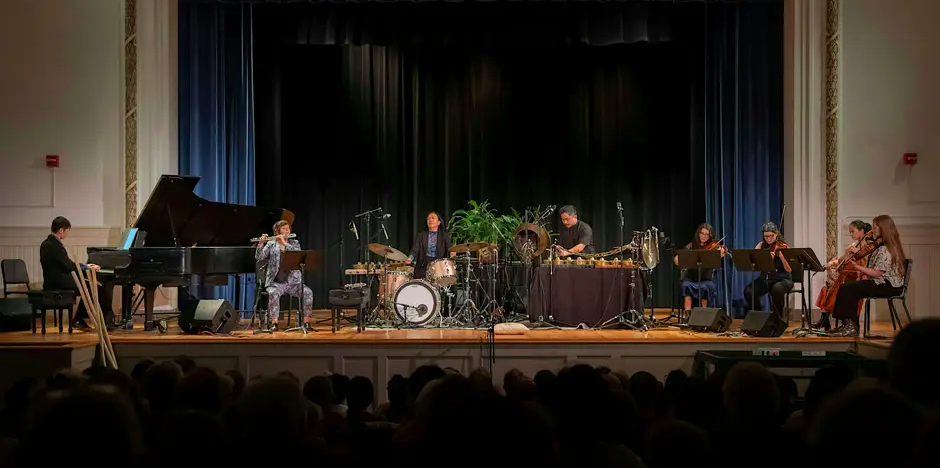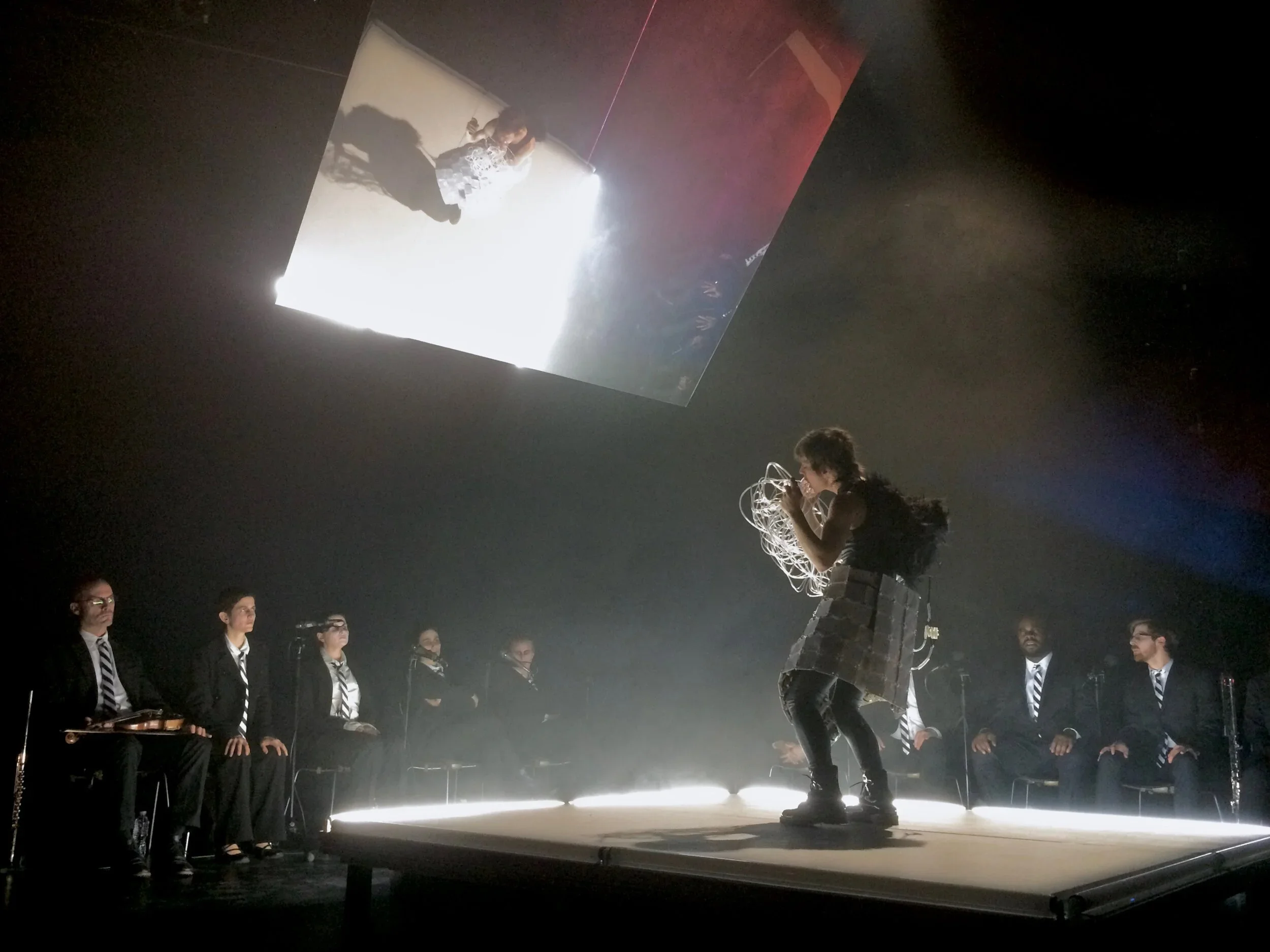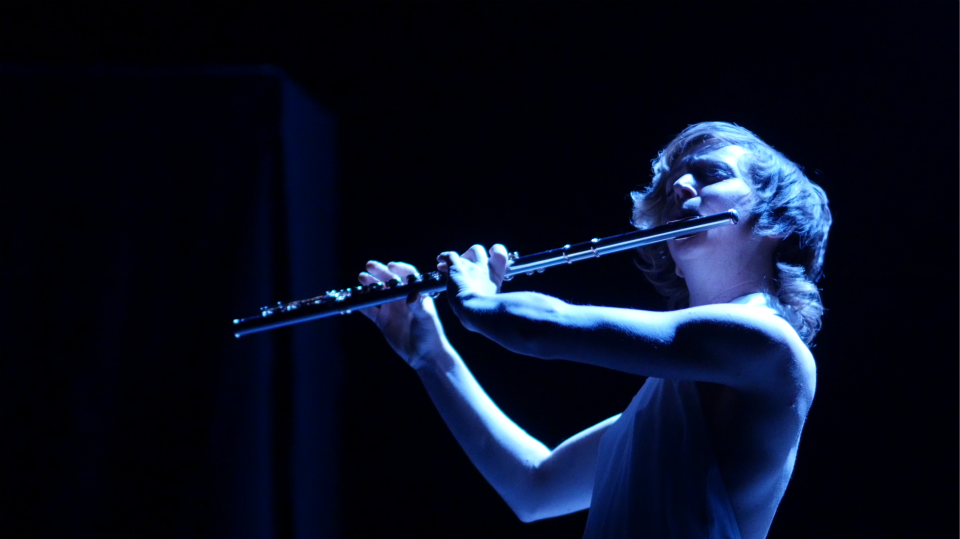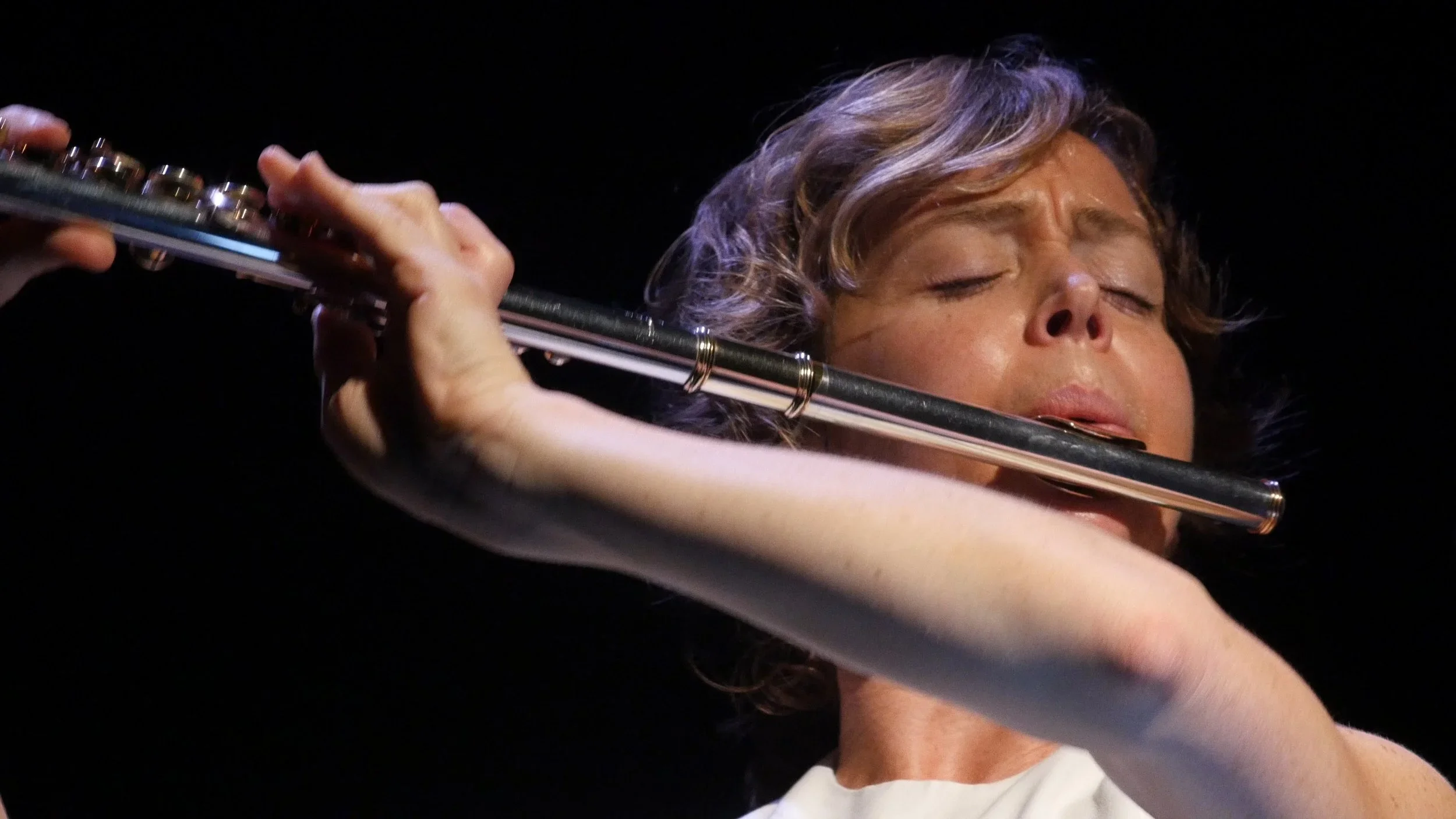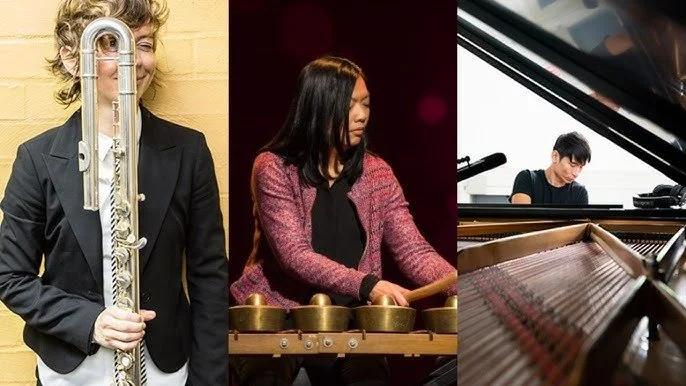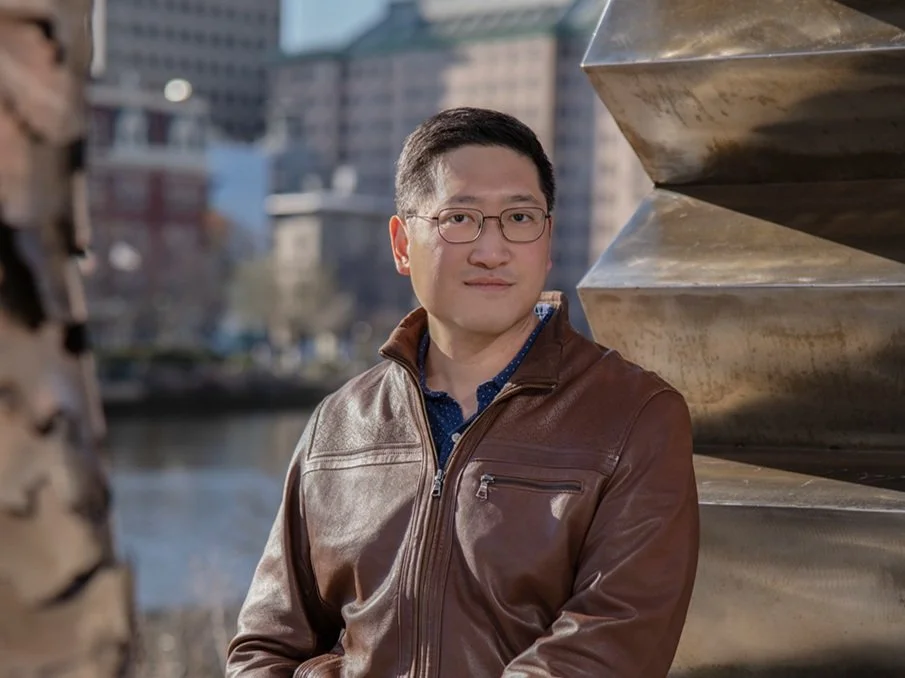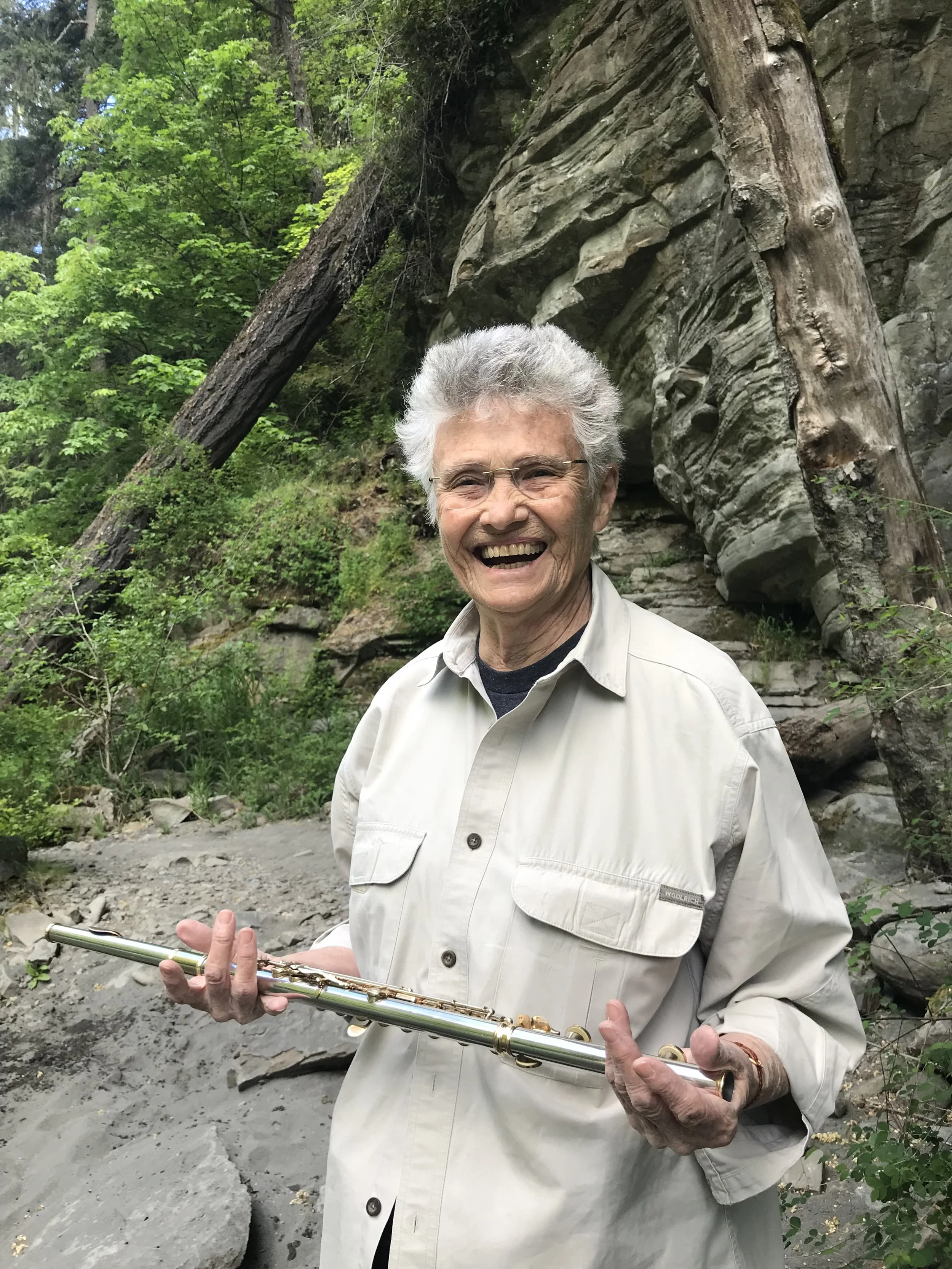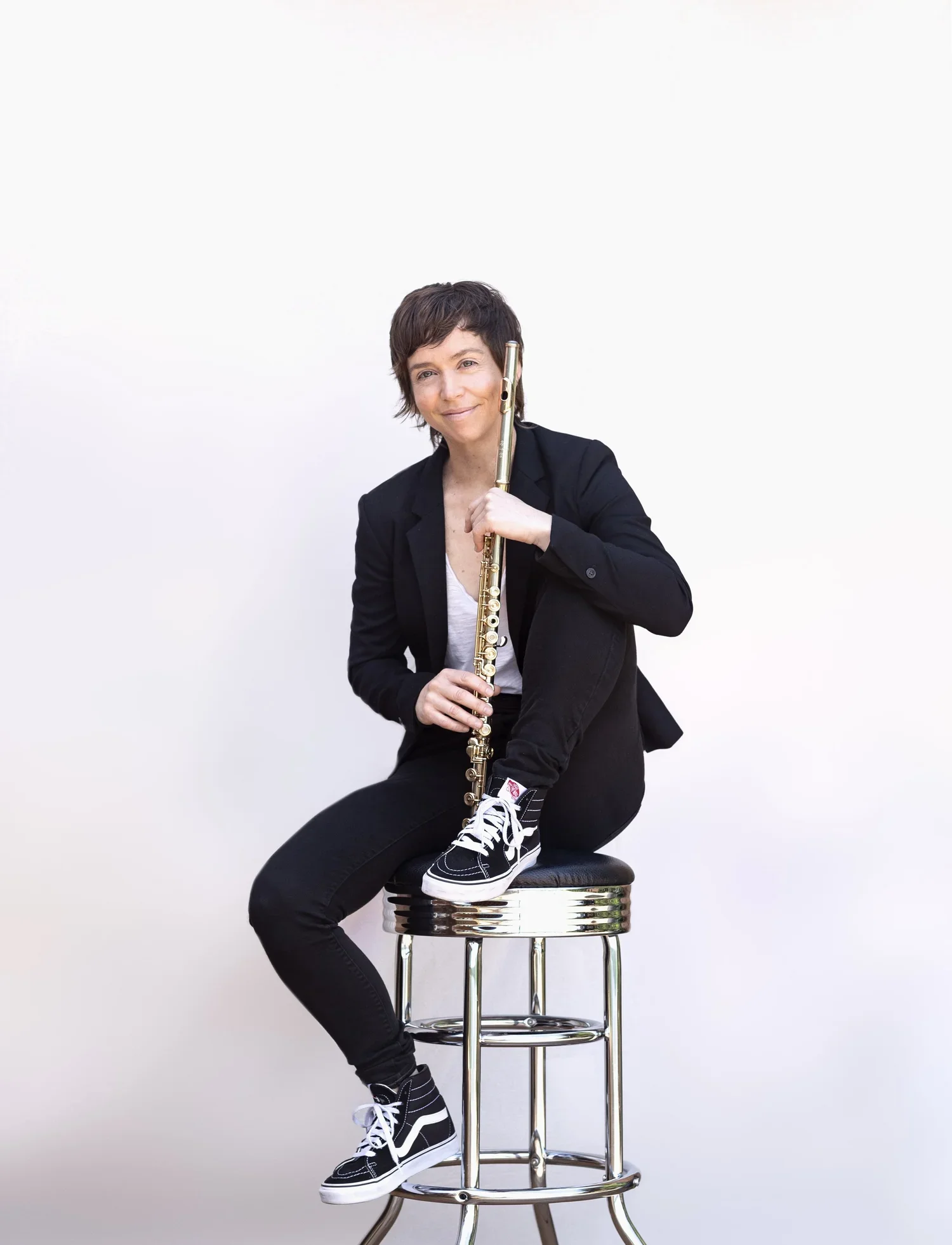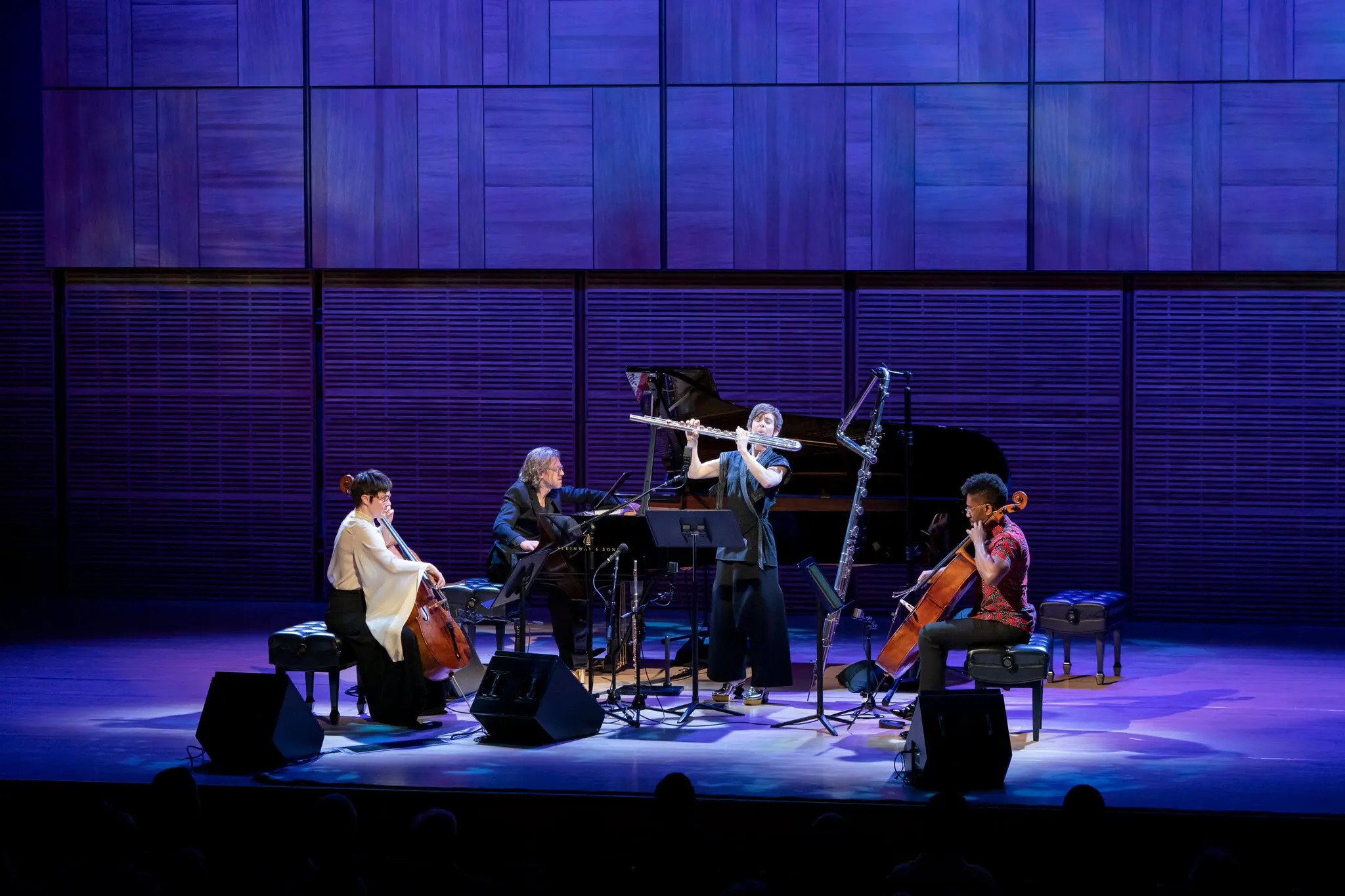
Claire Chase, Katinka Kleijn, Cory Smythe, and Seth Parker Woods premiering Anna Thorvaldsdottir’s Ubique at Zankel Hall in May 2023.
Photo: Jennifer Taylor.
Calendar
Density 2036: part vii
- The Kitchen at Westbeth (map)
- Google Calendar ICS
PROGRAM
Density 2036: part vii (2020)
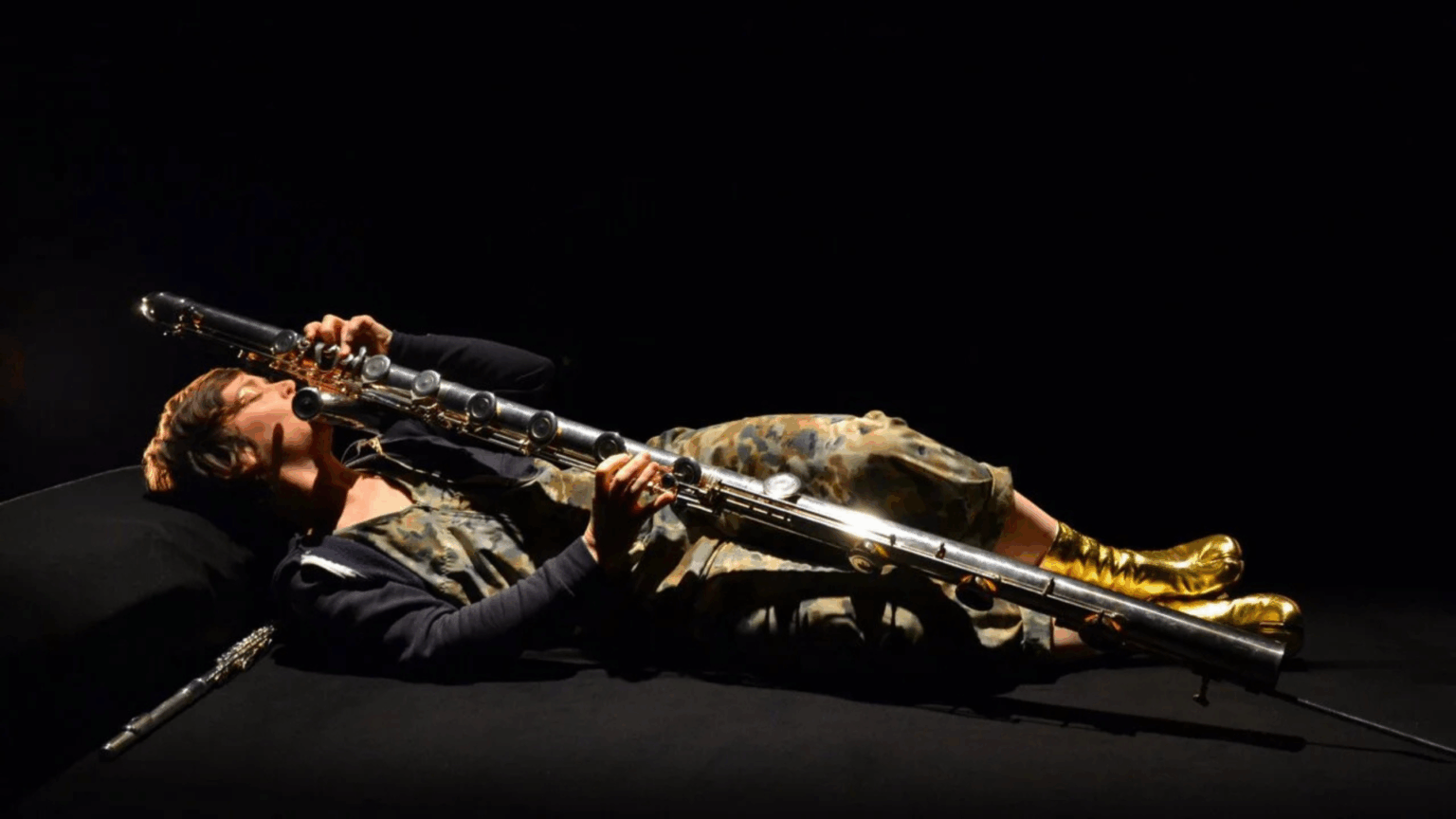
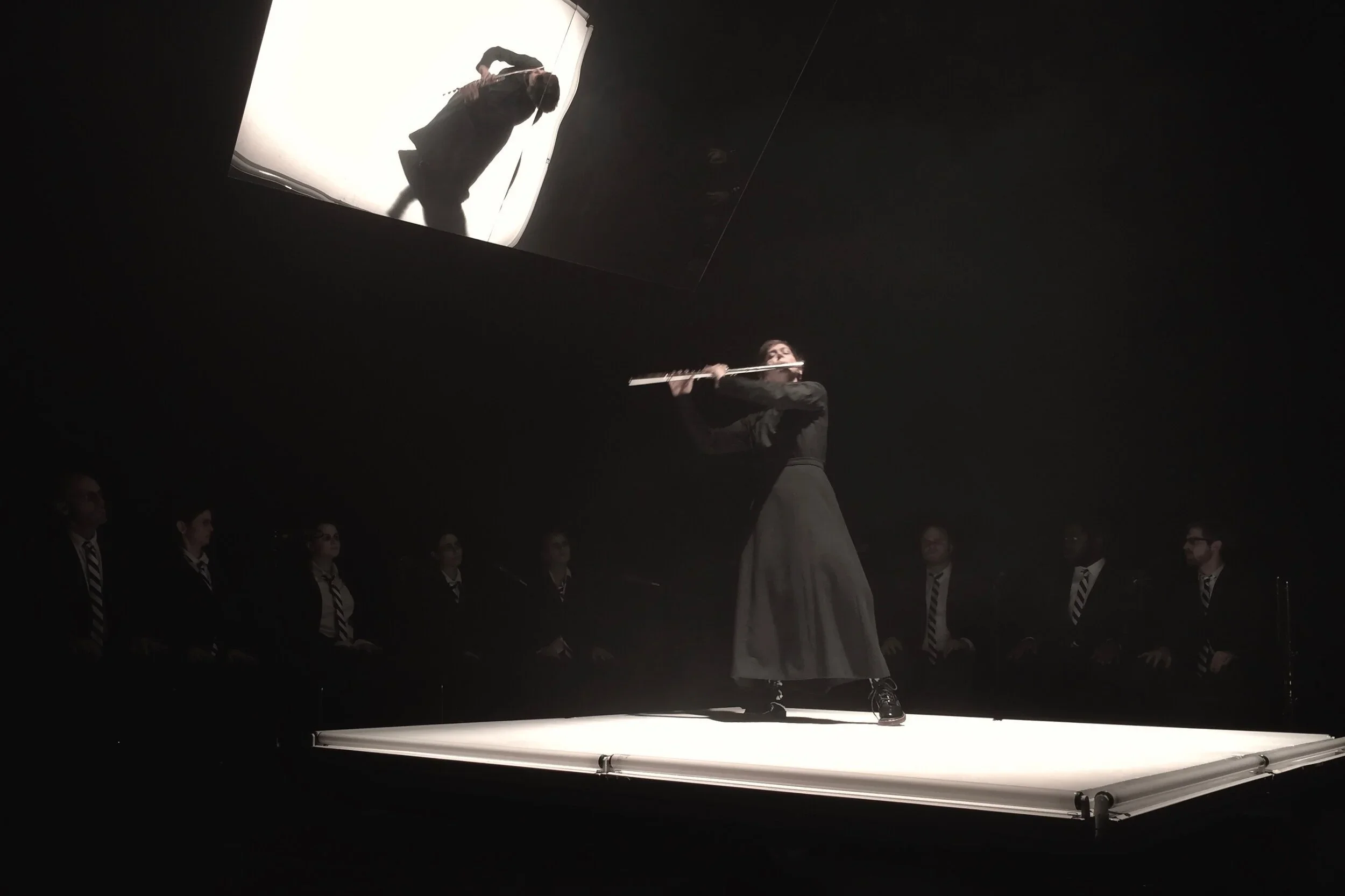
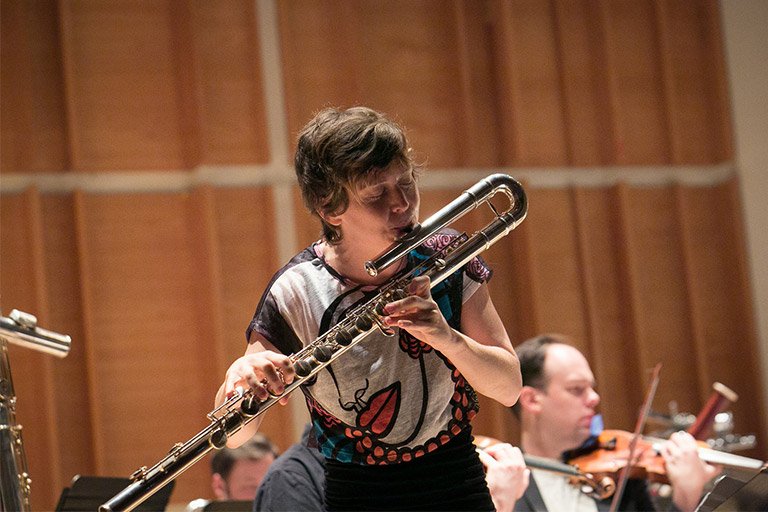
Liza Lim: Sex Magic for contrabass flute, electronics, and an installation of kinetic percussion
Density 2036: part vii
- The Kitchen at Westbeth (map)
- Google Calendar ICS
PROGRAM
Density 2036: part vii (2020)
Liza Lim: Sex Magic for contrabass flute, electronics, and an installation of kinetic percussion
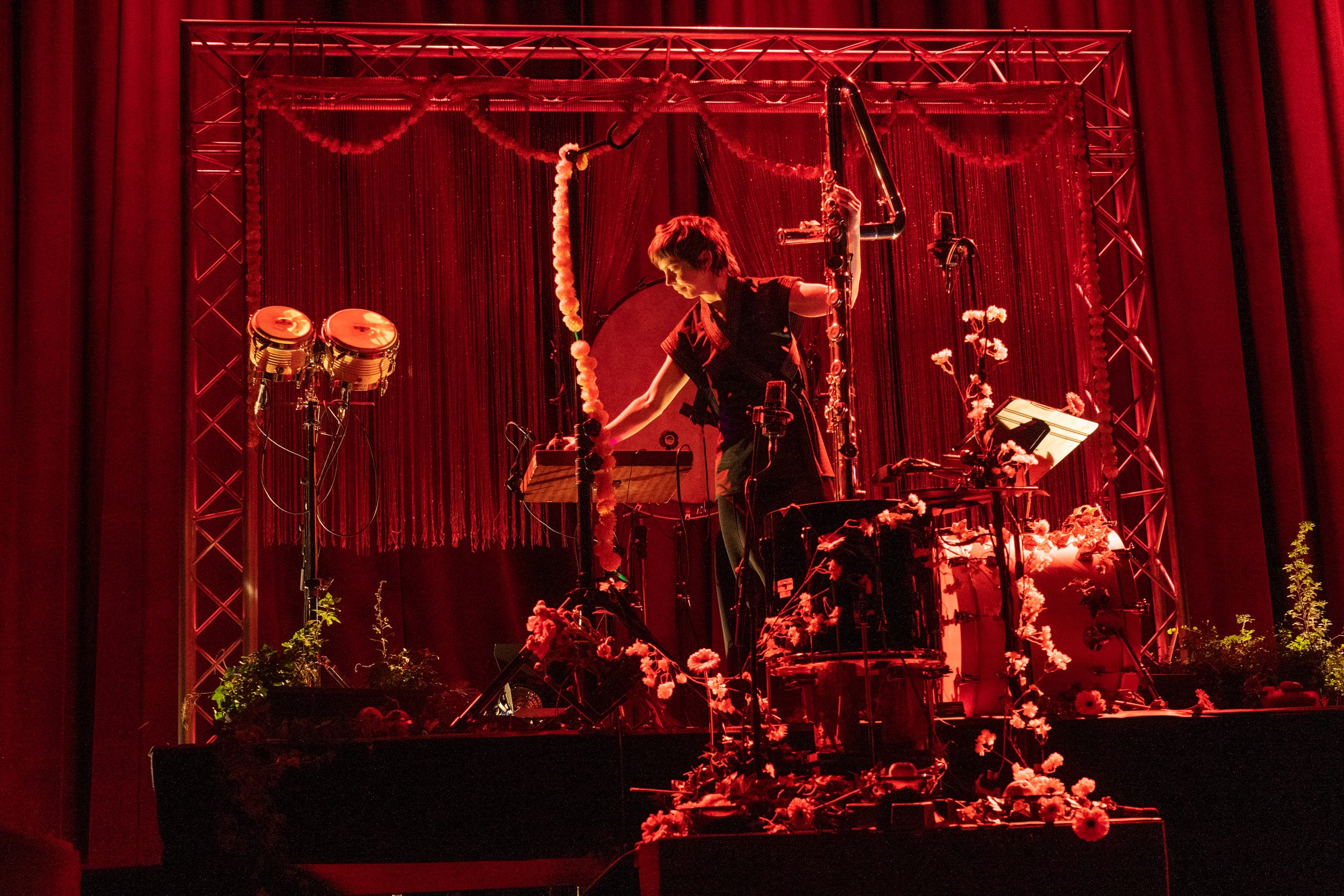
Sex Magic at MaerzMuzik Berlin
- silent green Kulturquartier (map)
- Google Calendar ICS
Liza Lim’s “Sex Magic” is a ritual for ocarina, contrabass flute, electronics, and percussion. For the composer, it is about “the sacred erotic in women’s history” and “an alternative cultural logic of women’s power as connected to the cycles of the womb – the life-making powers of childbirth, the ‘skin-changing’, world-synchronising temporalities of the body and the womb centre as a site of divinatory wisdom”. The piece refers to several mystic and mythological figures – it ends with tenderness. The score cites the poem “Ulysses” by Alfred Tennyson: “The long day wanes / the slow moon climbs / Come, my friends / Tis not too late to seek a newer world.”
PAST EVENTS
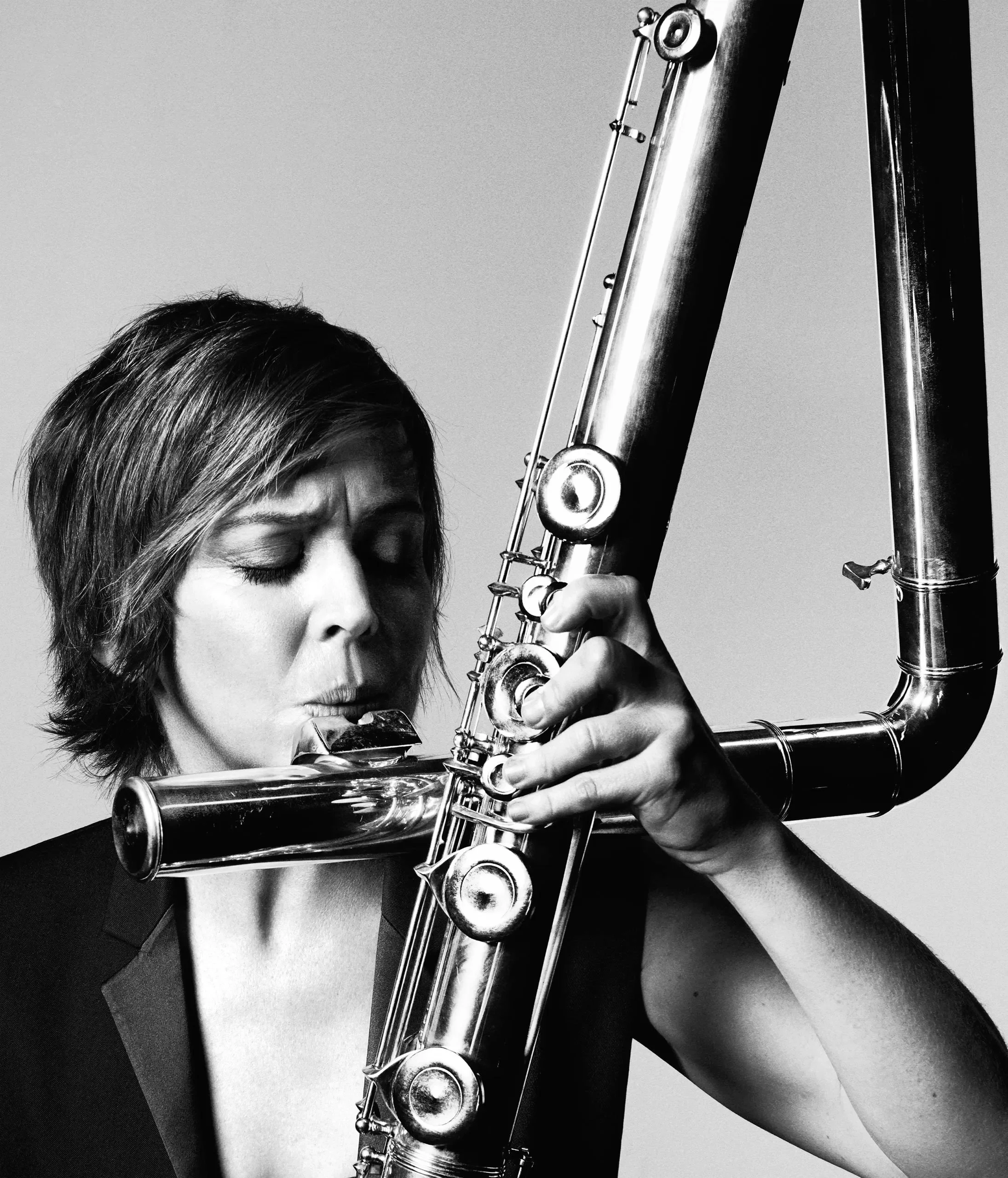
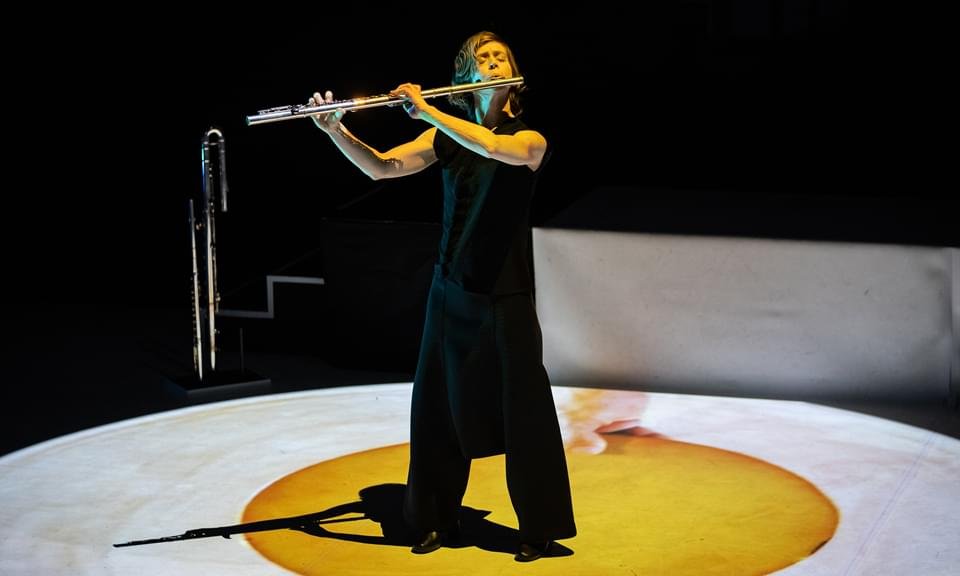
Claire Chase is “the North Star of her instrument’s ever-expanding universe,” according to The New York Times, and “a rare combination of grace and guts” (Wall Street Journal). Density 2036 is her ambitious and far-reaching 24-year project to create a new body of flute repertory leading up to the 100th anniversary of composer Edgard Varese’s seminal 1936 flute solo, Density 21.5. Her San Francisco Performances debut recital program reimagines music for solo flute.
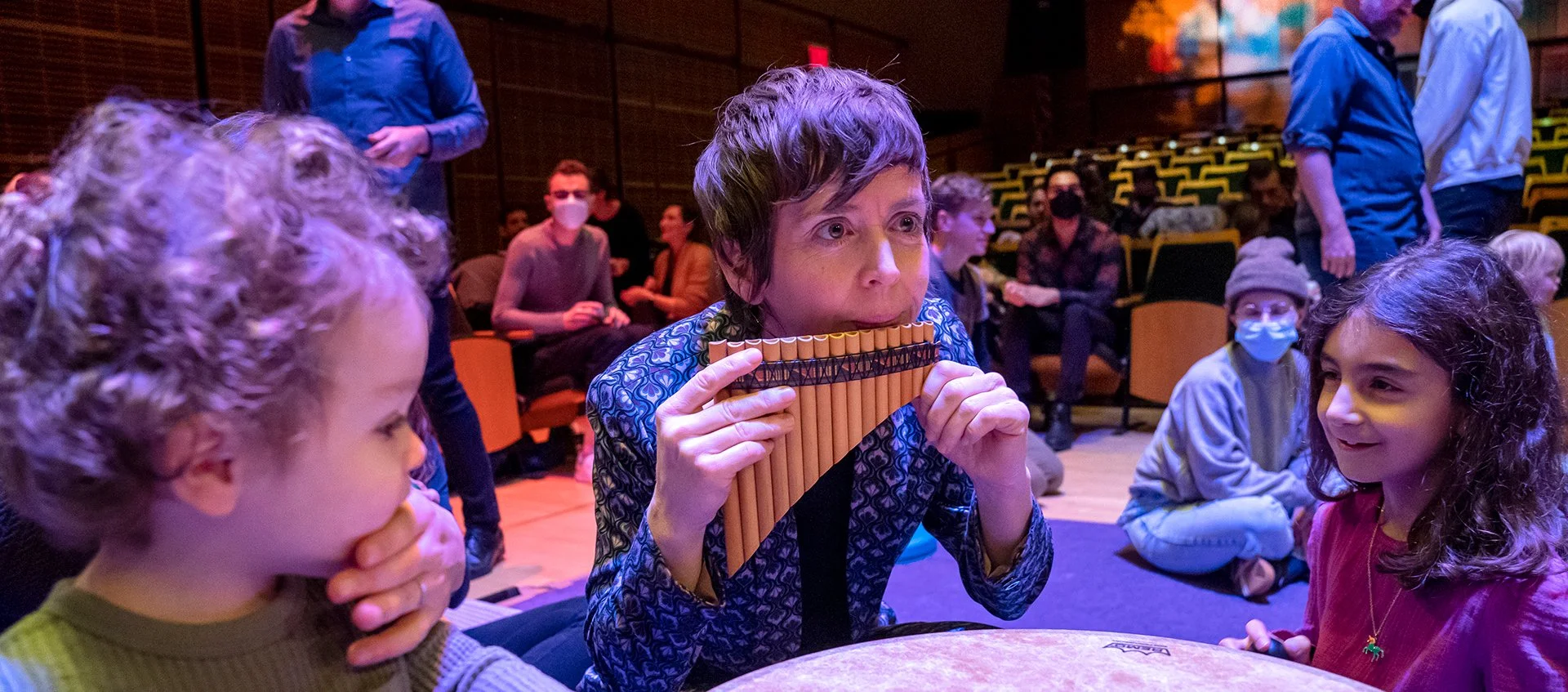
The Day of Listening is a welcoming, family friendly contemporary, new music experience that blurs the lines between listening, learning, and performing. Led by musician, interdisciplinary artist, and educator Claire Chase, the Day of Listening celebrates Pauline Oliveros, the visionary composer and performer known for her concept of Deep Listening. Community members of all ages are invited to engage with several of Oliveros’s important works composed for open instrumentation and interpretation. Dismantling any distinction between performer and audience, Chase will guide participants through some of Oliveros' best-known compositions such as “The Tuning Meditation” and “Sonic Meditations.” Attendees will have the opportunity to use Adaptive Use Musical Instruments (AUMIs), providing access for anyone of any age or ability to create musical phrases through small movement or gestures.
The Crossing with Donald Nally by Charles Grove, Claire Chase by Walter Wlodarczyk
Three-time Grammy winners for Best Choral Performance, The Crossing has been called “America’s most astonishing choir” (The New York Times). In this concert, the group’s “amazing, immaculate sound, both ethereally light and almost tangibly present” is used to stunning effect in Wang Lu’s At Which Point, an arresting and delicate setting of Forrest Gander’s Pulitzer-winning grief poems. In the New York premiere of Singsong, visionary composer Tania León sets to music the hard-edged “cricket poems” of US Poet Laureate (and fellow Pulitzer winner) Rita Dove, creating a rhythmically charged dialogue between the choir’s kaleidoscopic colors and the virtuosic flute inventions of MacArthur Fellow Claire Chase. Infinite Body—by The Crossing’s first-ever resident composer, Ayana Woods—probes a series of difficult questions and arrives at a shockingly joyful conclusion.
Claire Chase returns as we revisit Rita Dove’s hard-edged, raw “cricket poems” in Tania León’s endlessly inventive Singsong, which dances its way through a journey of Black singers from pre-slavery to today. Wang Lu’s At Which Point boldly explores the fragility and emptiness of grief found in poet Forrest Gander’s world of those “left behind.” Finally, Ayanna Woods’ Infinite Body, a co-commission of Carnegie Hall and The Crossing, explores how capitalism influences our relationship to our bodies, peering through the lenses of the natural world, burnout culture, and embodiment, to observe and unsettle the notion of our separateness.
The return of Claire Chase and the tsunami of energy that comes with her, as we revisit Rita Dove’s hard-edged, raw “cricket poems” in Tania León’s endlessly inventive Singsong, which dances its way through a journey of Black singers from pre-slavery to today. Wang Lu’s At Which Point boldly explores the fragility and emptiness of grief found in poet Forrest Gander’s world of those “left behind.” Finally, Ayanna Woods’ Infinite Body, a co-commission of Carnegie Hall and The Crossing, explores how capitalism influences our relationship to our bodies, peering through the lenses of the natural world, burnout culture, and embodiment, to observe and unsettle the notion of our separateness.
“A Decade of Density / A Lifetime of Story: An Evening of Flute and Literature,” with Hermitage Fellows Claire Chase and Kirstin Valdez Quade
Claire Chase, “a rare combination of grace and guts” (The Wall Street Journal), joins New World Symphony Fellows to perform works born from Density 2036, her groundbreaking commissioning project that reimagines flute literature over a quarter-century.
Annea Lockwood (b. 1939), recently described by The New York Times as “a composer of insatiable curiosity and a singular ear for the music of the natural world,” brings a robust program of recent works from the last two decades to Harvard. The program includes Becoming Air (2018), a visceral solo work that plumbs the depths of trumpet sound through volatile textures and fragile resonances, at times fading to near inaudibility. Jitterbug (2007) transports listeners to the lakes and backwaters of Montana, where musicians interpret rock photographs as graphic scores, evoking a kind of sonic geology. Buoyant (2013) and Into the Vanishing Point (2019) are two alluringly lush works: the first draws audiences into the world of Lockwood’s visionary field recordings, while the second unfolds a unique soundscape of rubbed piano strings, gently handled objects, and chiming pitches that conjure a plethora of natural images––insects and frogs, wind through trees, and the wings of birds in flight.
Curated by flutist and professor Claire Chase, the evening draws upon Lockwood’s intensively collaborative compositional process by bringing together an array of performers—many of whom commissioned, premiered, and championed these works—including the trumpeter Nathan Wooley, pianist Vicki Ray, percussionist Wesley Sumpter, and the ensemble Yarn/Wire.
On the occasion of the Fromm Music Foundation concert highlighting the last two decades of her groundbreaking work, the visionary composer Annea Lockwood sits down with writer, photographer, and art historian Teju Cole. Through conversation, they will explore the remarkable collaborative dimensions of Lockwood’s compositional process, with special attention to the works featured on the November 6 performance––Becoming Air (2018), Jitterbug (2007), Buoyant (2013), and Into the Vanishing Point (2019)––and invite the audience into the dialogue. The talk will open with a performance of Lockwood’s bayou borne (2016) by the Harvard New Music Ensemble.
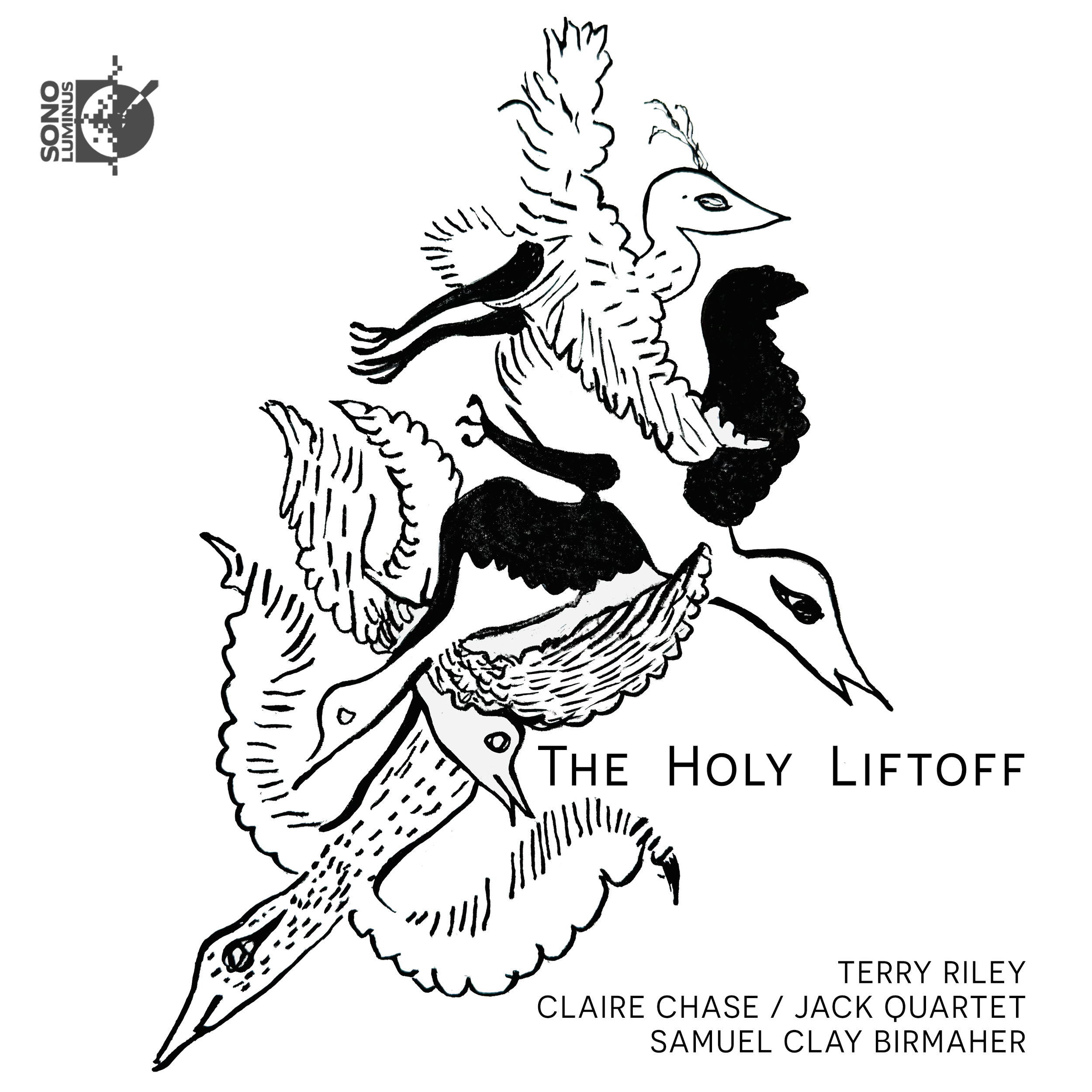
The iconic American composer Terry Riley (b. 1935) began The Holy Liftoff (2022-2025)* as an open-score sketchbook of brilliantly colored drawings for multiple flutes, commissioned by Claire Chase for her multi-year Density 2036 project. Through a realization by Samuel Clay Birmaher, these sketches have since evolved into a multidimensional work blending through-composed material, graphic notation, evocative artwork, and Riley’s signature open-form scoring. Heard now as an eight-voice chorus of flutes (seven pre-recorded and one live, played by Chase), The Holy Liftoffis joined on the program by Riley’s Pulsing Lifters (2022) and Pulsefield 3 (2025), both expanding the modular, improvisatory spirit of the larger project: Pulsing Lifters reimagined for keyboards by Alex Peh, and Pulsefield 3 with its vivid drawings culminating in a return to song—“the oldest and most urgent mode of music-making,” as Chase notes. For this performance, she is joined by Parker Quartet, pianist Alex Peh, saxophonist Neil Leonard, and special guests from the Berklee Interdisciplinary Arts Institute, the Harvard New Music Ensemble, and Students in Contemporary Chamber Music.